page_bannernew

Blog

Best Practices for Connector Housing Installation in Automotive Wiring Harnesses

Apr-20-2023

Proper connector housing installation is critical to ensuring the integrity and reliability of automotive wiring harnesses. Connector housing installation errors can lead to issues such as electrical faults, short circuits, and even complete harness failure. 

Therefore, when installing connector shells in car wiring harnesses, it is necessary to follow best practices, which need to ensure the following operations:

Contents

1. Compatibility with terminals

2. Installation direction correctly

3. Choose the right wire seals

4. Correctly crimp to the terminal

5. Strict testing and inspection
Compatibility with terminals

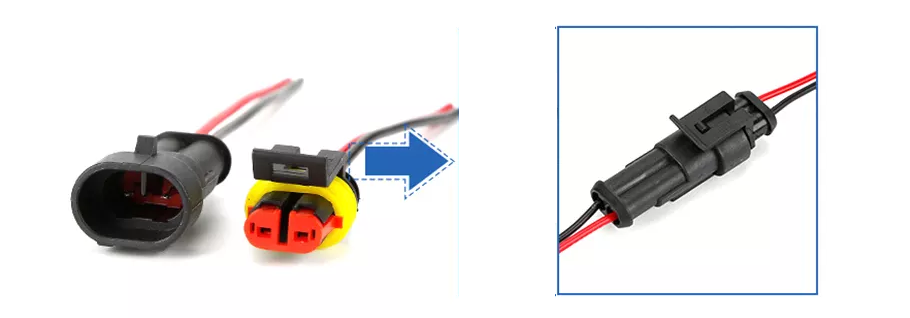
The first step is to ensure that the connector housing and terminal are compatible with each other. This involves checking that the connector housing has the correct number and size of cavities and that the terminal is the correct size and shape to fit into the housing. Using incompatible components can lead to poor connections, increased resistance, and potential damage to the wiring.

Compatibility with terminals

Installation direction correctly

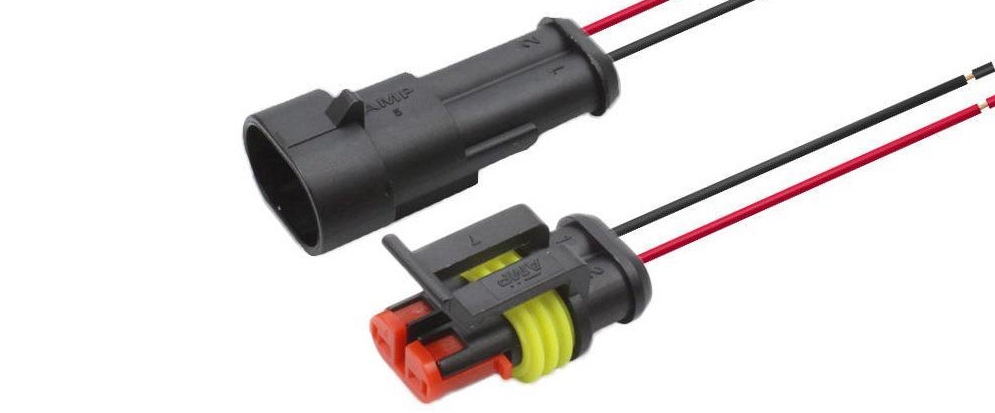
The next step is to ensure that the connector housing is correctly oriented. Many connector housings are designed to be polarized, which means that they can only be connected in one orientation. Installing the housing incorrectly can result in the reversal of polarity, leading to electrical faults or damage to the connected components.

Installation direction correctly

Choose the right wire seals

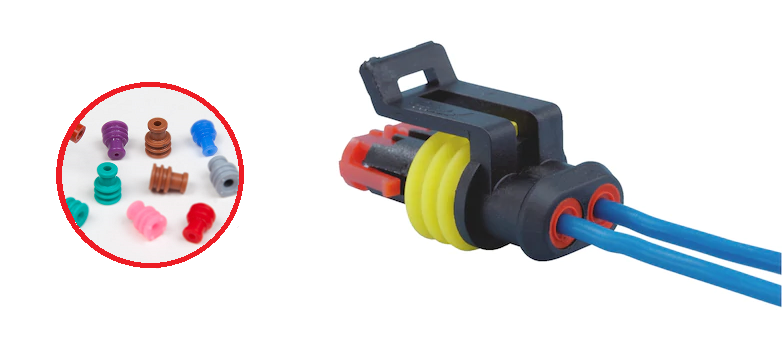
Proper sealing of the connector housing is also crucial in preventing water and dust ingress. This is especially important in automotive applications, where exposure to the elements is common. Connector housings should be equipped with seals that are designed to fit tightly around the terminals and prevent moisture from entering the wiring.

Choose the right wire seals

Correctly crimp to the terminal

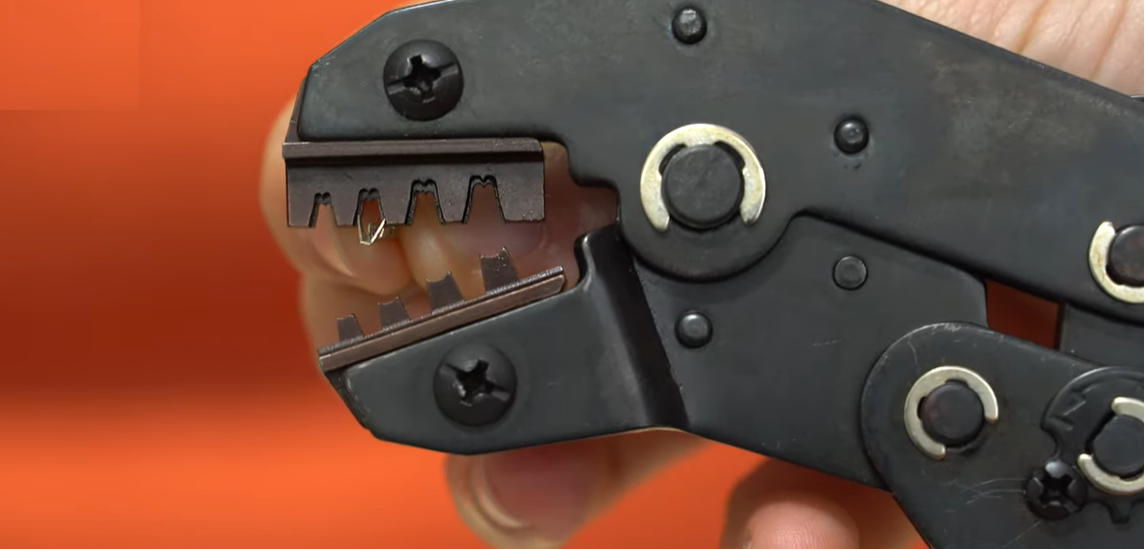
Another best practice is to ensure that the wiring is correctly crimped to the terminals. This involves using the correct crimping tool and following the recommended crimping procedure. Proper crimping ensures that the terminal is securely attached to the wire and provides a reliable electrical connection.

Correctly crimp to the terminal

Strict testing and inspection

Lastly, it is important to perform testing and inspection of the connector housing after installation. This includes using electrical testing equipment to verify that the wiring is correctly connected and free of faults. Visual inspections should also be carried out to check for any damage or incorrect installation.

Strict testing and inspection

In conclusion, proper installation of connector housings in automotive wiring harnesses is essential for ensuring reliable and safe operation of the vehicle. Best practices include using compatible components, correctly orienting the housing, proper sealing, correct crimping, and testing and inspection after installation. By following these best practices, manufacturers can produce high-quality wiring harnesses that meet performance requirements and ensure customer satisfaction.

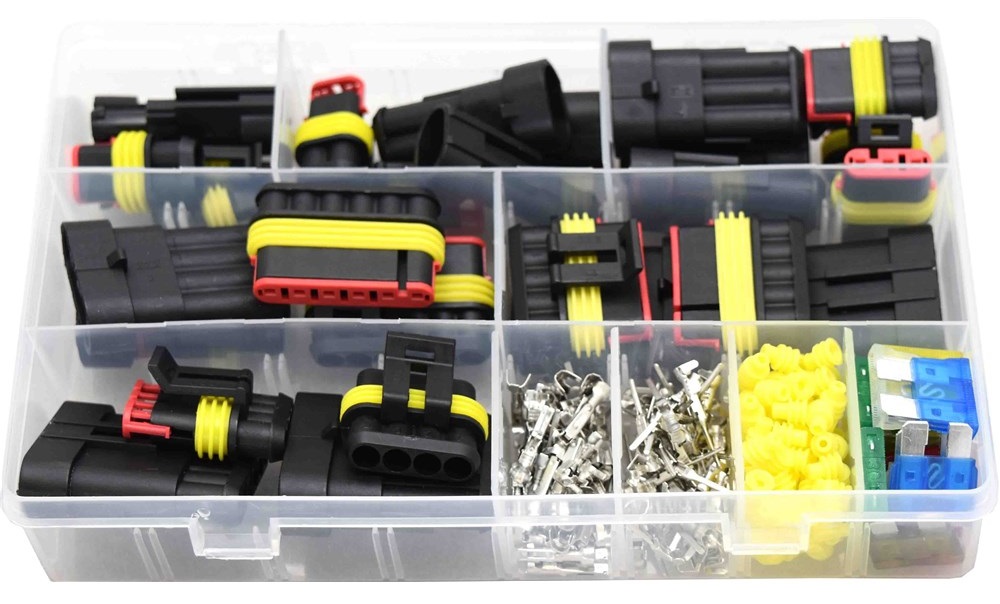
The pictures in this article are all AMP Superseal 1.5mm Series Connectors, terminals and wire seals. For a detailed introduction to this series of connectors, please see another blog posthttps://www.typhoenix.com/blog/the-excellent-sealing-performance-of-amp-superseal-1-5-series-connectors/

More connectors: https://www.typhoenix.com/connector-housing/

More Terminals: https://www.typhoenix.com/terminals/

More wire seals: https://www.typhoenix.com/single-wire-seals/

If you have any questions or need any assistance, please  contact us:

phone

Contact: Vera

Mobile

Mobile/WhatsApp: +86 15369260707

logo

Post time: Apr-20-2023

Leave Your Message